Your Yearly Eye Exam Sees More Than Blurry Vision
A comprehensive eye exam does more than update your glasses. It's one of the few ways a doctor can spot early signs of diabetes and high blood pressure.
Most people book an eye exam for one reason: their vision feels a little off, or their glasses are getting old. That’s a perfectly good reason to come in. But a comprehensive eye exam is quietly doing something much bigger, and it’s the part patients rarely think about.
The eye is a window to the rest of your body
Your eyes contain the only blood vessels and nerve tissue a doctor can see directly, without a single incision. When we look inside your eye, we’re often the first to notice the early signatures of conditions that have nothing to do with your vision.
A routine exam can reveal early signs of:
- Diabetes, through tiny changes in the retinal blood vessels
- High blood pressure, which leaves its mark on those same vessels
- High cholesterol, sometimes visible as deposits in the eye
- Autoimmune and thyroid conditions, and in rare cases, tumors
For many patients, an eye exam is the visit that sends them to their primary care doctor for a diagnosis they didn’t know they needed.
What “comprehensive” actually means
A vision screening — the kind you might get at the DMV or a school gym — checks one thing: can you read the chart. A comprehensive exam is a full evaluation of both how you see and how healthy your eyes are.
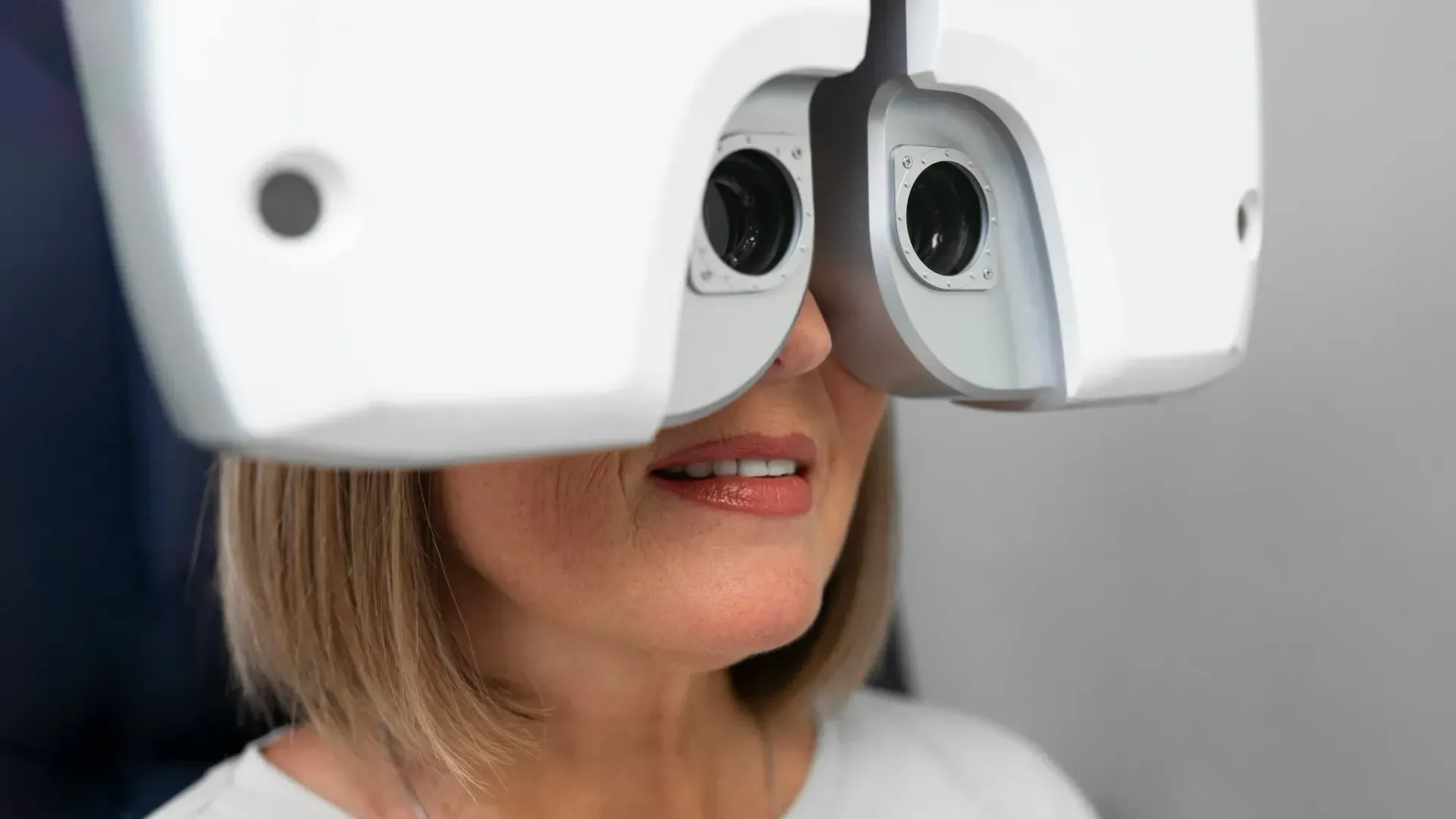
In a single visit, your optometrist checks your prescription, measures your eye pressure to screen for glaucoma, evaluates how your eyes work together, examines the retina and optic nerve, and looks at the surface of the eye for early dry eye. Modern imaging, like wide-field retinal photography, lets us document all of this and compare it year over year.
How often should you come in?
For most healthy adults, every one to two years is the right cadence. You should come in yearly if you:
- Wear contact lenses
- Are over 60
- Have diabetes, high blood pressure, or a family history of eye disease
- Notice any change in your vision
The best part of a proactive exam is that the most serious eye conditions — glaucoma, macular degeneration, diabetic retinopathy — often have no symptoms in their early, most treatable stages. By the time vision changes, damage may already be done. A regular exam is how we stay ahead of it.
Due for a check-up? Book a comprehensive eye exam at any of our three San Diego locations.