
DRY EYE THERAPY
DRY EYE THERAPY
Dry eye syndrome can make daily life uncomfortable, with symptoms like irritation, watery eyes, and discomfort affecting how much you enjoy your vision.
While over-the-counter eye drops may offer temporary relief, the discomfort often returns. For lasting comfort, it's important to address the underlying causes of dry eye.
With our thorough dry eye evaluation process, our doctors can develop a personalized management strategy to help alleviate your symptoms and restore your visual comfort.
Managing Your Symptoms
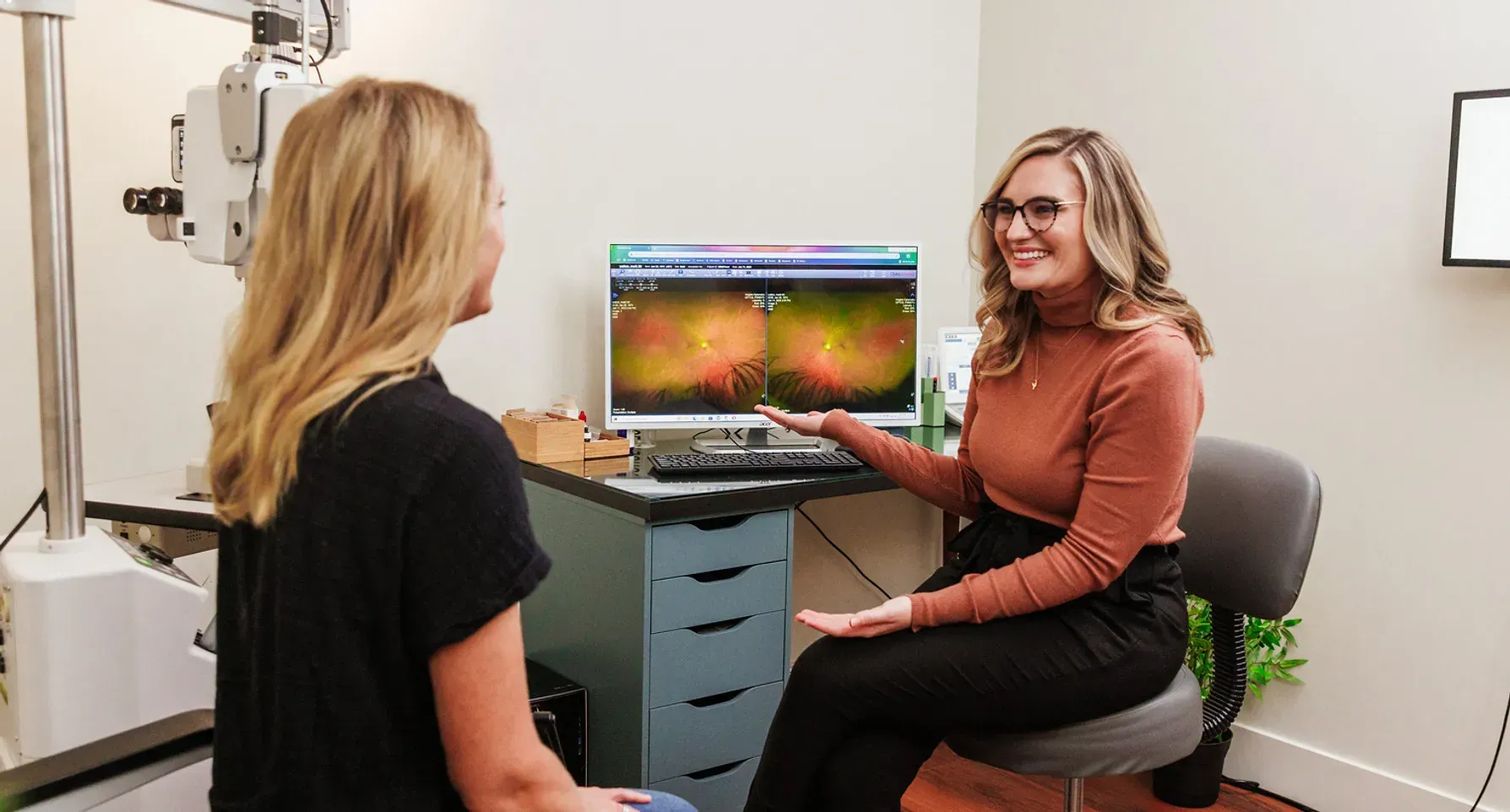
Once we identify the root cause of your dry eyes, we’ll create a customized treatment plan tailored to your specific needs. Dry Eye has a number of different factors and it is not a one size fits all approach.
We’re committed to finding the right solution to restore your comfort and improve your quality of life. Your journey toward comfortable vision can start today—book an appointment with us, and we’ll help guide you every step of the way.
What Is Dry Eye Syndrome?
Dry eye syndrome occurs when your eyes can’t maintain a stable tear film, which is essential for keeping your eyes hydrated and comfortable. The tear film consists of three layers: oil, water, and mucus.
If any of these layers are deficient, you may experience the uncomfortable symptoms of dry eye.
Evaporative Dry Eye
Evaporative dry eye happens when the tear film lacks enough oil to seal in moisture, leading to quick evaporation. Meibomian gland dysfunction (MGD) is a leading cause of evaporative dry eye.
Aqueous Tear Deficiency
Aqueous tear deficiency occurs when there’s not enough water in the tear film to keep your eyes hydrated.
Evaporative dry eye is the most common form of dry eye, and understanding the cause is key to finding the right treatment.
Symptoms & Causes
Common symptoms of dry eye include:
- Redness
- Wateriness
- Light sensitivity
- Grittiness
- Blurred
- Fluctuating vision
- Eye strain
- Difficulty wearing contacts
Risk Factors for Dry Eye
Several factors can increase your risk of developing dry eye:
Age
The likelihood of dry eye increases as you get older, especially in females with changing hormones.
Health Conditions
Autoimmune diseases like lupus, Sjögren’s syndrome, rheumatoid arthritis, and diabetes can contribute to dry eye.
Medications
Antihistamines, antidepressants, birth control, and certain other medications can reduce tear production.
Environmental Factors
Wind, smoke, or dry air can exacerbate symptoms, as well as exposure to allergens.
Diagnosing Dry Eyes
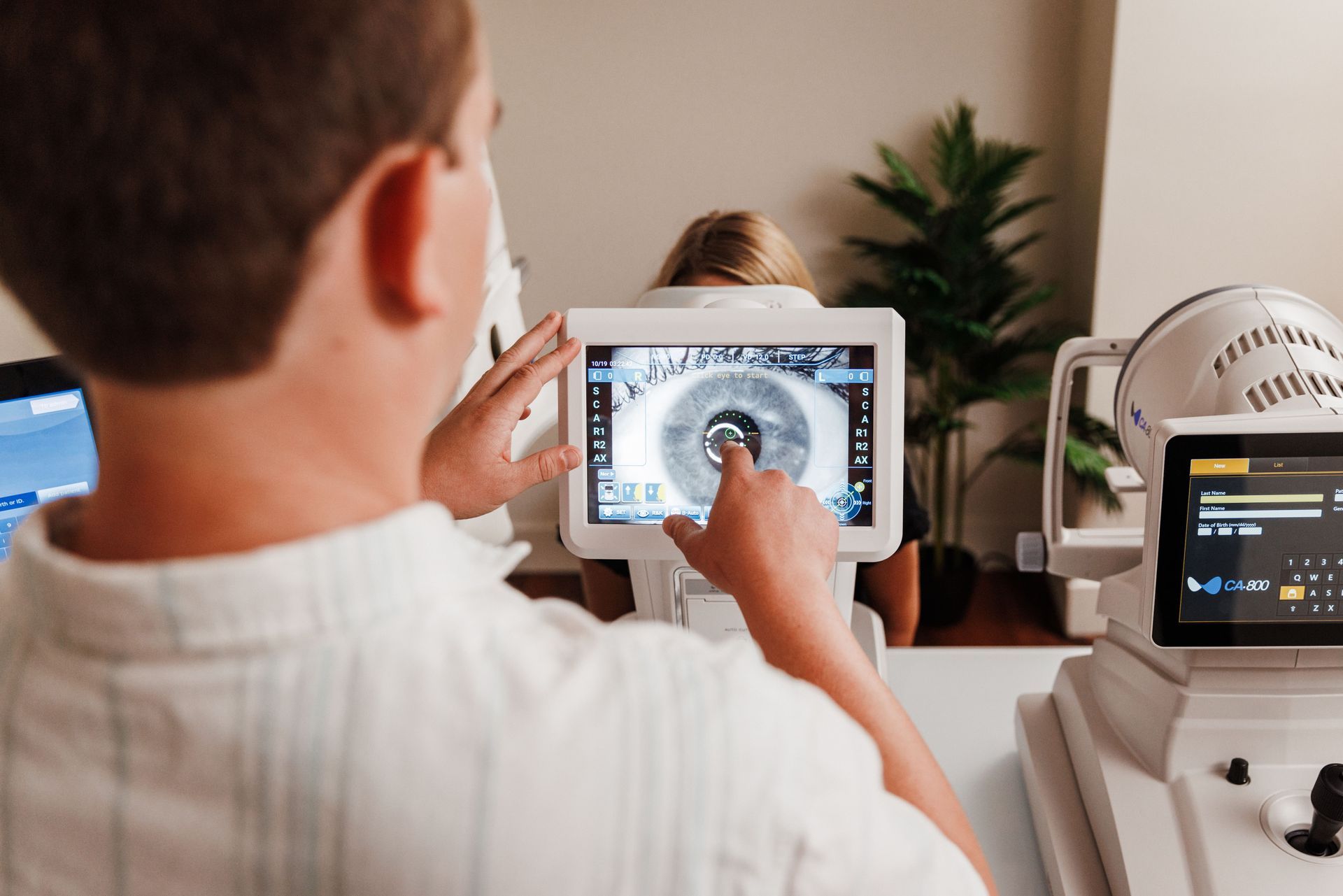
Diagnosing dry eye syndrome requires a thorough evaluation of your tear film and the structures that support it. We use advanced tools and techniques to assess your eye health, including:
Firefly Slit Lamp
This allows us to closely examine your eyes and measure factors like tear break-up time and tear meniscus height, helping us understand how well your tear film is functioning.
Meibography
This technique helps us visualize your meibomian glands to ensure they are producing enough oil to support a stable tear film.
ready for real relief?
Contact us if you've tried everything and still haven't found relief from dry eye. It may be time to explore a new option .
Book an assessment at our La Mesa location.