
Eye Care Services
Comprehensive Eye Exam
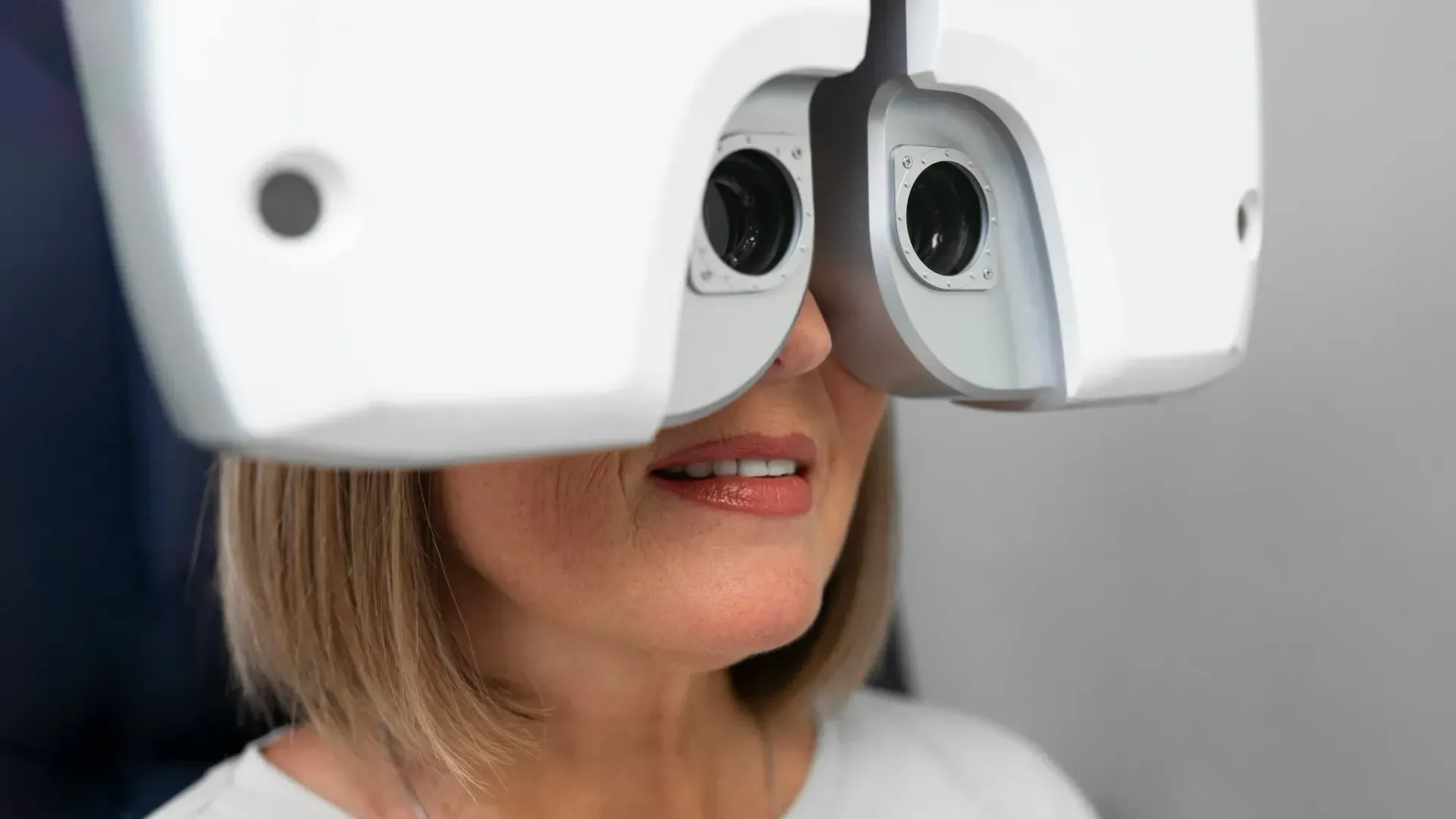
A comprehensive eye exam is far more than a vision check. It's a complete look at how you see and how healthy your eyes are — and it's often where the first signs of broader health conditions appear.
What your exam covers
In a single visit, your doctor checks your vision, updates your prescription, and examines the health of your eyes inside and out.
- Updated glasses and contact lens prescription
- Eye pressure and glaucoma screening
- Retinal and optic nerve health
- Binocular vision and eye teaming
- A look at the ocular surface for dry eye
More than a vision check
The eye is the only place a doctor can see your blood vessels and nerves directly. A routine exam can surface early signs of diabetes, high blood pressure, and high cholesterol — often before any other symptoms appear.
Technology that sees more
We use advanced imaging so we can detect subtle changes early, and frequently without dilation.
- Optomap wide-field retinal imaging
- OCT imaging of the retina and optic nerve
- Digital records to track changes over time
How often should you come in
Most healthy adults should have a comprehensive exam every one to two years — and every year if you wear contacts, are over 60, or manage a condition like diabetes.
Common Questions
Comprehensive Eye Exam, answered.
What’s the difference between a vision screening and a comprehensive exam?
A screening is a quick pass/fail check of distance clarity. A comprehensive exam evaluates your full vision along with the health of your eyes, inside and out.
Will I need to be dilated?
Sometimes. We often use optomap wide-field imaging as an alternative, and your doctor will recommend dilation when it adds real diagnostic value.
Explore More Services
Child Exams
Gentle, thorough eye exams that help kids learn and thrive.
Learn More →Myopia Control
Slow the progression of nearsightedness in growing eyes.
Learn More →Dry Eye Work-Up
A thorough evaluation to find the true cause of your dry eye.
Learn More →Dry Eye Treatment
Real, lasting relief for burning, gritty, tired eyes.
Learn More →Contact Lenses
The right lenses for your eyes, your prescription, and your life.
Learn More →Medical Eye Care
Expert diagnosis and management of eye disease and urgent concerns.
Learn More →